


-

Add: HeBei ShengShi HongBang Cellulose Technology CO.,LTD.
-

Email
13180486930@163.com -

CONTACT US
+86 13180486930




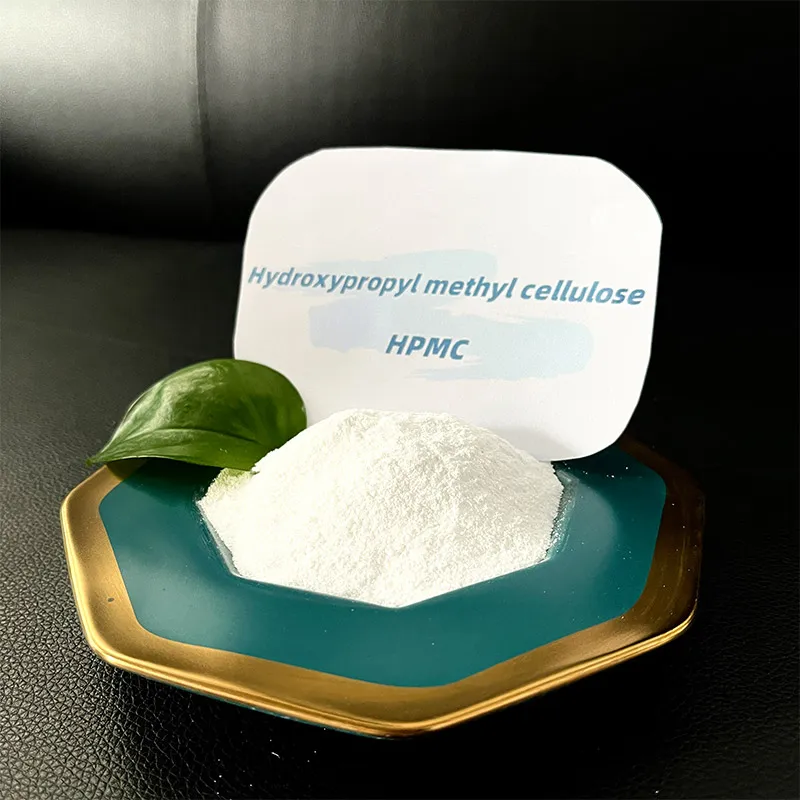
Hydroxypropyl Methylcellulose (HPMC) has seen a surge in demand across various industries, making the buying process an area of great interest. For those seeking to purchase HPMC, having a comprehensive understanding of the product, coupled with insights from industry professionals, is essential. An important characteristic of HPMC is its versatile applicability. With its non-toxic, tasteless, and odorless attributes, it is commonly used in pharmaceuticals, construction, food, and personal care products. In pharmaceuticals, HPMC acts as a binder and time-release agent, ensuring effective delivery of active ingredients. For construction, it enhances water retention and workability in products like cement and mortar, showcasing its pivotal role in the building sector. Purchasing HPMC demands expertise from industry insiders who emphasize the importance of quality . Experts recommend sourcing from certified manufacturers who adhere to international standards such as ISO and GMP. These certifications guarantee that the HPMC is manufactured under stringent quality control, ensuring product reliability and safety for end-users. Real-world experience highlights the importance of considering particle size and viscosity levels when buying HPMC. Different applications require specific viscosity ranges; for instance, higher viscosity HPMC is ideal for tile adhesives, whereas lower viscosity types might be better for pharmaceutical applications. Experienced professionals suggest requesting product samples to conduct application-specific tests before making bulk purchases. This not only ensures compatibility but also prevents potential product wastage. Authoritative voices in the industry emphasize the significance of understanding regional regulations. Product compliance can often vary depending on geographical location, affecting the import and usage of HPMC. Therefore, it is advisable to consult with regional experts and legal advisors to navigate through these regulatory frameworks effectively. hpmc buy Trustworthiness in the HPMC supply chain is another crucial factor. Buyers are advised to perform due diligence on suppliers. This includes reviewing company histories, customer testimonials, and case studies. Opting for suppliers with a proven track record, robust customer support and transparent business practices can significantly diminish risks associated with quality and delivery schedules. For ensuring seamless transactions, economic considerations play a pivotal role. Bulk purchasing can lead to significant cost reductions. However, financial experts suggest balancing purchase volume with inventory management to avoid overstocking, which could lead to increased holding costs. Developing a strategic purchasing plan with flexible terms can optimize financial outcomes while securing a steady supply of HPMC. Finally, leveraging technology can greatly aid in the HPMC procurement process. Utilizing supply chain management software can streamline operations, providing real-time updates on inventory levels, shipment tracking, and vendor communication. Such tools enhance efficiency, ensuring that the acquisition process aligns with business objectives. In conclusion, buying HPMC involves a blend of understanding its applications, ensuring quality through certified suppliers, adhering to regulations, establishing trust with vendors, managing economic factors wisely, and incorporating technological solutions. By focusing on these aspects, businesses can make informed decisions, optimizing the benefits of HPMC across their respective industries.
- 40000tons

Production
- 20+years

Experience
- 5000+㎡

Acreage

-
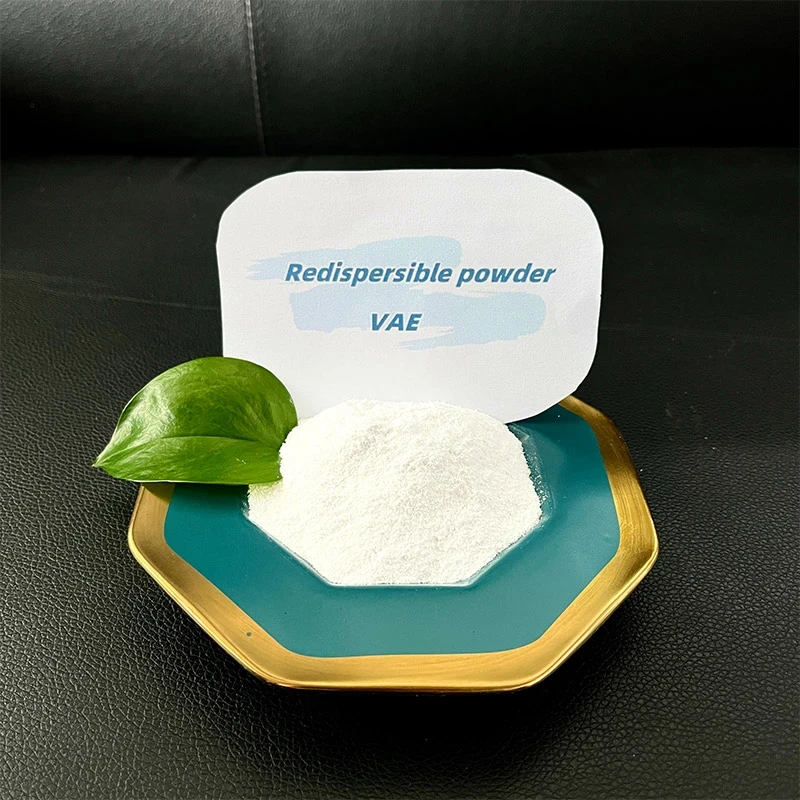
Understanding the Properties of Hydroxypropyl Methylcellulose Hydroxypropyl methylcellulose (HPMC) is a widely used polymer in various industries, including pharmaceuticals, food, cosmetics, and construction. This cellulose derivative is obtained through the modification of natural cellulose with hydroxypropyl and methyl groups, which enhances its solubility and utility. Understanding the properties of HPMC is crucial for its effective application in different formulations. Chemical Structure and Composition HPMC is a non-ionic, water-soluble polymer. Its chemical structure consists of a cellulose backbone with hydroxypropyl and methyl groups attached. The proportion of these substituents can be varied during synthesis, leading to HPMC products with different viscosity and gel-forming properties. The degree of substitution affects many characteristics, including solubility, thermal stability, and mechanical properties. Physical Properties One of the most significant physical properties of HPMC is its solubility in water. HPMC can dissolve in cold water, forming a transparent, viscous solution. The ability to form gels at higher concentrations is another notable characteristic. The viscosity of HPMC solutions can vary widely based on its molecular weight and concentration, which can be tailored to meet specific requirements in various applications. Typically, HPMC is available in grades that provide a range of viscosities that suit different needs, from low viscosity for easy flow to high viscosity for thicker formulations. Thermal Stability HPMC exhibits excellent thermal stability, making it suitable for processing conditions that involve high temperatures. It does not decompose easily under heat, which is important for applications such as hot-melt adhesives and coatings. The thermal behavior of HPMC can be further enhanced with additives, allowing for more versatile applications across various industries. Rheological Properties The rheological properties of HPMC solutions are of great interest, particularly in the pharmaceutical and food industries. HPMC behaves as a pseudoplastic or shear-thinning material, meaning that its viscosity decreases with an increase in shear rate. This property is advantageous during processing, as it allows for easier application and handling without compromising the formulation's final performance. When at rest, the polymer's viscosity increases, providing stability to the product. hydroxypropyl methylcellulose properties Role in Pharmaceutical Applications In the pharmaceutical industry, HPMC is commonly used as a binder in tablet formulations, as well as a disintegrant and controlled-release agent. Its ability to form gels and slow down drug release makes it highly valuable in developing extended-release formulations. HPMC is also utilized in the production of film coatings for tablets due to its film-forming properties, which provides a barrier to moisture and light, ultimately protecting the active ingredients inside. Applications in Food and Cosmetics HPMC is recognized for its emulsifying and thickening properties, allowing it to be widely used in food processing. It can enhance texture, stabilize emulsions, and improve the mouthfeel of various food products. In the cosmetic industry, HPMC is used as a thickening agent in creams and lotions, contributing to improved texture and stability. Biocompatibility and Safety HPMC is considered safe for use in food and pharmaceutical products. It is generally recognized as safe (GRAS) by the Food and Drug Administration (FDA), making it ideal for various applications. Its biocompatibility extends to being used in medical applications, such as in contact lenses and surgical products. Environmental Impact and Sustainability HPMC is derived from renewable cellulose, which adds to its appeal in an increasingly sustainability-focused market. Researchers are exploring additional eco-friendly production methods and applications to reduce the environmental footprint associated with conventional polymers. As industries strive for greener alternatives, HPMC stands out as a promising candidate due to its natural origins and biodegradability. Conclusion Hydroxypropyl methylcellulose is a versatile polymer with a wide range of properties that make it suitable for various applications across different industries. Its diverse functional characteristics, such as solubility, viscosity, thermal stability, and safety profile, highlight its importance in formulations from pharmaceuticals to food and cosmetics. As technology advances and the demand for sustainable materials grows, HPMC is poised to remain a key player in many sectors, offering innovative solutions that cater to modern needs. Understanding its properties allows industries to harness its potential effectively, making it an invaluable material in contemporary applications.
-
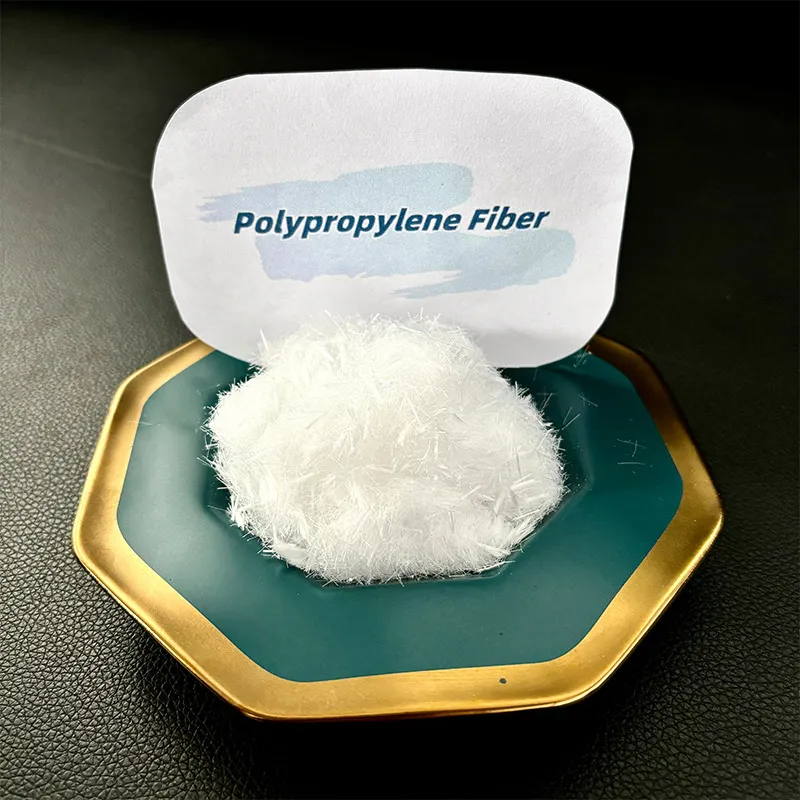
The Insights into Rubber Powder Prices Market Trends and Influencing Factors Rubber powder is a finely ground material derived from natural rubber or synthetic rubber, and it has gained significant traction across various industries due to its versatile applications. The demand for rubber powder is driven by its use in manufacturing products such as tires, mats, and molded goods, as well as in construction materials and even in the polymer industry. Understanding the pricing dynamics of rubber powder is essential for manufacturers, suppliers, and consumers alike, as it directly affects production costs and market competitiveness. Current Market Trends As of late 2023, the rubber powder market has exhibited fluctuating prices influenced by several factors such as raw material costs, production capabilities, and global demand. The price of rubber powder typically correlates with the price of raw rubber, which has experienced volatility due to changing environmental policies, production levels, and fluctuating demand in key markets like China and India. In recent years, there has been a notable increase in demand for eco-friendly materials, pushing industries toward sustainable practices that utilize rubber powder made from recycled materials. This shift has contributed to some degree of price stabilization, but not without other challenges. Factors Influencing Rubber Powder Prices 1. Raw Material Costs The primary factor affecting rubber powder prices is the cost of raw materials, i.e. , natural rubber and synthetic rubber . Prices for these raw materials fluctuate based on global supply and demand dynamics. For instance, adverse weather conditions, such as excessive rainfall or drought in producing regions, can disrupt the supply chain, leading to price increases. Additionally, geopolitical tensions affecting oil supply can impact the production costs of synthetic rubber. rubber powder price 2. Technological Advancements The rubber powder manufacturing process has seen advancements in technology that can potentially reduce production costs. Automated machinery and enhanced grinding techniques can improve the efficiency and yield of rubber powder production. However, the initial investment in these technologies may lead to higher prices, influencing overall market pricing strategies. 3. Recycling Trends The increase in recycling initiatives is pivotal in stabilizing rubber powder prices. Manufacturers are exploring the use of recycled rubber to create powdered forms, reducing reliance on new material and consequently affecting pricing. This innovation not only benefits the environment by curbing waste but also creates competitive pricing in the rubber powder market. The demand for recycled rubber powder has been steadily increasing, providing an avenue for price stability while promoting sustainability. 4. Global Economic Conditions Economic fluctuations across the globe can significantly impact rubber powder prices. Economic growth typically leads to increased industrial activity and higher demand for rubber products, while downturns can lead to a decrease in demand and thus lower prices. Factors such as inflation, currency exchange rates, and changes in consumer behavior play critical roles in determining market dynamics. 5. Regulatory Impact Environmental regulations are becoming increasingly stringent, pushing manufacturers to adopt more sustainable practices. Compliance costs associated with these regulations can influence production costs and, by extension, rubber powder prices. Companies that can scale and adapt to these regulations efficiently may find themselves with a pricing advantage in the market. Conclusion In summary, the rubber powder pricing landscape is complex and influenced by a multitude of factors including raw material costs, technological advancements, recycling trends, global economic conditions, and regulatory impacts. Stakeholders in the rubber powder market must navigate these dynamics carefully, looking for opportunities to optimize their processes and reduce costs wherever possible. As sustainability becomes a central theme in production, the potential for stable pricing of rubber powder remains strong, provided that manufacturers continue to innovate and adapt to changing market conditions. Understanding these trends is essential for making informed decisions in an increasingly competitive environment.
advantages
-

200000 Viscosities
Excellent product
We can produce pure products up to 200,000 viscosities
-

40000 tons
High yield
We don’t stop production all year round, and the annual output can reach 40,000 tons
-

24 hours
Quality service
We provide 24-hours online reception service, welcome to consult at any time
———— Inquiry Form
Schedule A services

-
 hpmc_food
Oct . 25, 2025
Hydroxypropyl methylcellulose, commonly abbreviated as HPMC, stands for a multifaceted polymer with -
 is_cellulose_wood_chips
Oct . 25, 2025
Understanding the nuances of HPMC enteric coating is crucial for anyone involved in pharmaceuticals, -
 hormigon_armado_con_polipropileno
Oct . 25, 2025
Methocel F50 is a trademarked brand of methylcellulose ether, commonly used as a thickener, emulsifi


